Therapeutic drawing
In a fast, overstimulated world, colored pencil drawing offers something rare: slowness. The gentle pressure, soft layering, and quiet repetition make it an ideal creative practice for relaxation and focus. You don’t need to be an expert artist to benefit—only willing to slow down and enjoy the process.
Why Colored Pencils Are Naturally Calming
Colored pencils encourage patience. Unlike fast, messy mediums, they reward light pressure and gradual progress. This naturally pulls your attention into the present moment, helping calm racing thoughts and reduce stress.
The tactile feeling of pencil on paper, the sound of layering strokes, and the visual build-up of color all support a grounded, meditative experience.
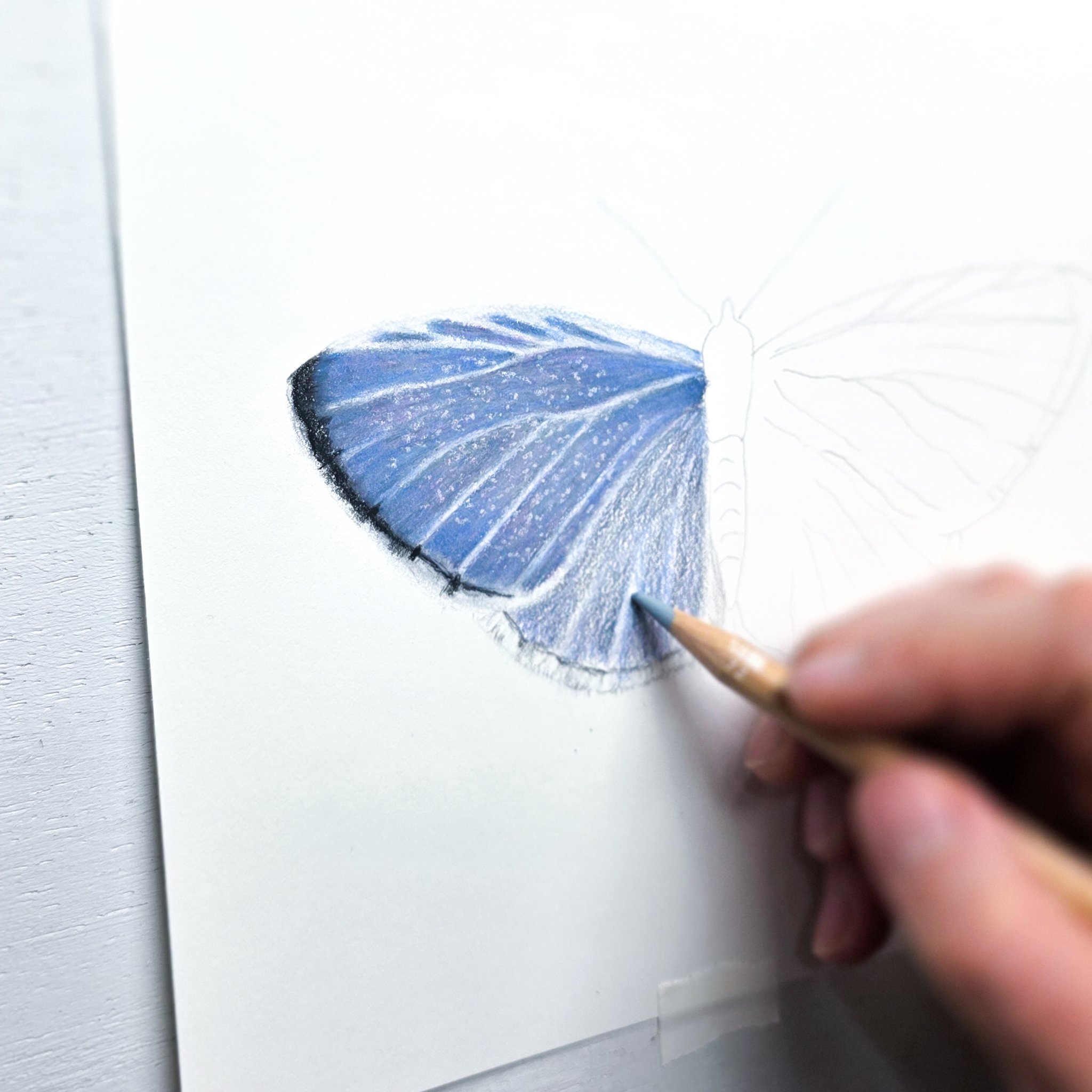
Image idea: Close-up of colored pencil strokes building softly
Let Go of Perfection
When drawing for self-care, the goal isn’t a perfect result—it’s presence. Let go of expectations and allow the drawing to unfold naturally. Mistakes become part of the process, not something to fix immediately.
Try reminding yourself: This drawing is just for me.
Choose Soothing Subjects
Calm subjects enhance the therapeutic effect. Nature and animals are especially grounding because they connect us to slower rhythms.
Good choices include:
Resting animals
Birds perched quietly
Butterflies, leaves, or flowers
Simple wildlife portraits
Create a Relaxing Color Palette
Color affects mood. Soft, harmonious palettes help keep the experience calming. Instead of using every color, choose a few tones that feel comforting—warm browns, cool blues, muted greens, or soft neutrals.
Layering similar colors together can feel almost hypnotic and helps deepen focus.
Use Repetition as Meditation
Repeating small strokes—such as fur, feathers, or shading—creates rhythm. This repetition gives your mind something gentle to focus on, similar to breathing exercises or mindfulness practices.
Let your hand move slowly and evenly. If your mind wanders, simply bring your attention back to the motion of the pencil.
Set Gentle Boundaries
Keep your drawing sessions short and pressure-free. Even 10–20 minutes can be deeply restorative. Sit comfortably, take breaks when needed, and stop before frustration sets in.
Lighting a candle, playing soft music, or drawing in silence can enhance the experience.
Know When to Stop
A drawing doesn’t need to be finished to be meaningful. Sometimes stopping early preserves the calm energy you brought into the piece. Trust your body—when you feel settled, that’s a natural place to pause.
Drawing as a Quiet Practice
Colored pencil drawing can become a personal ritual—something you return to when you need stillness, focus, or gentle expression. Over time, the act of drawing becomes less about the image and more about how it makes you feel.
Final Thought:
You don’t need talent to draw for self-care. You only need time, curiosity, and kindness toward yourself.

This class is made for beginners. If you are new to colored pencils, this class eases you into understanding basic drawing techniques
I provide instructions on a PDF so you can prepare before playing the video. Please have your materials ready before beginning. Feel free to take breaks as often as you need and, of course, have fun! :)
After purchase you will receive a link to the PDF with everything you need. Scroll to the bottom to get a link to access the video
Due to the nature of digital products, this purchase is nonrefundable